
KleinOnline
Bicycle types compared
A practical map of the main categories — and the differences that decide how each bike feels.
Overview
Start with purpose, not paint
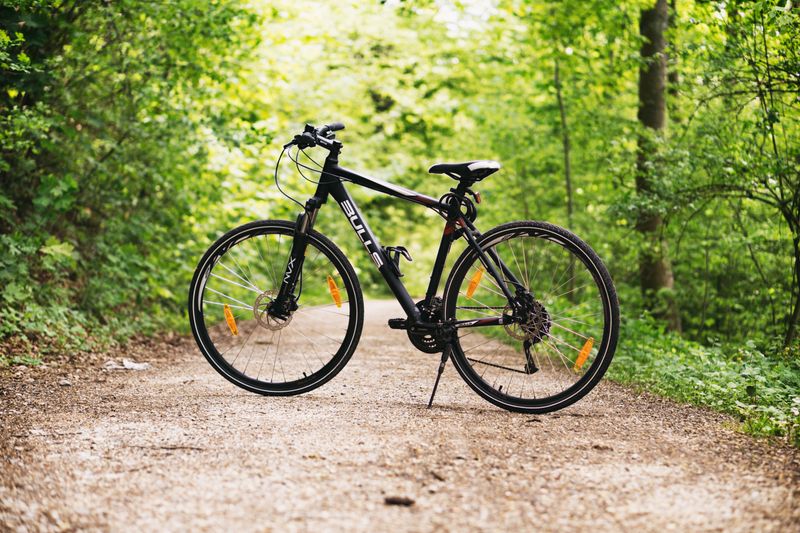
Every bicycle category is a compromise. Road bikes chase efficiency. Mountain bikes chase control. City bikes chase comfort. E-bikes add assistance. Gravel and touring bikes live between worlds. Understanding those compromises is the fastest way to choose well.
| Type | Best for | Tires | Position | Trade-off |
|---|---|---|---|---|
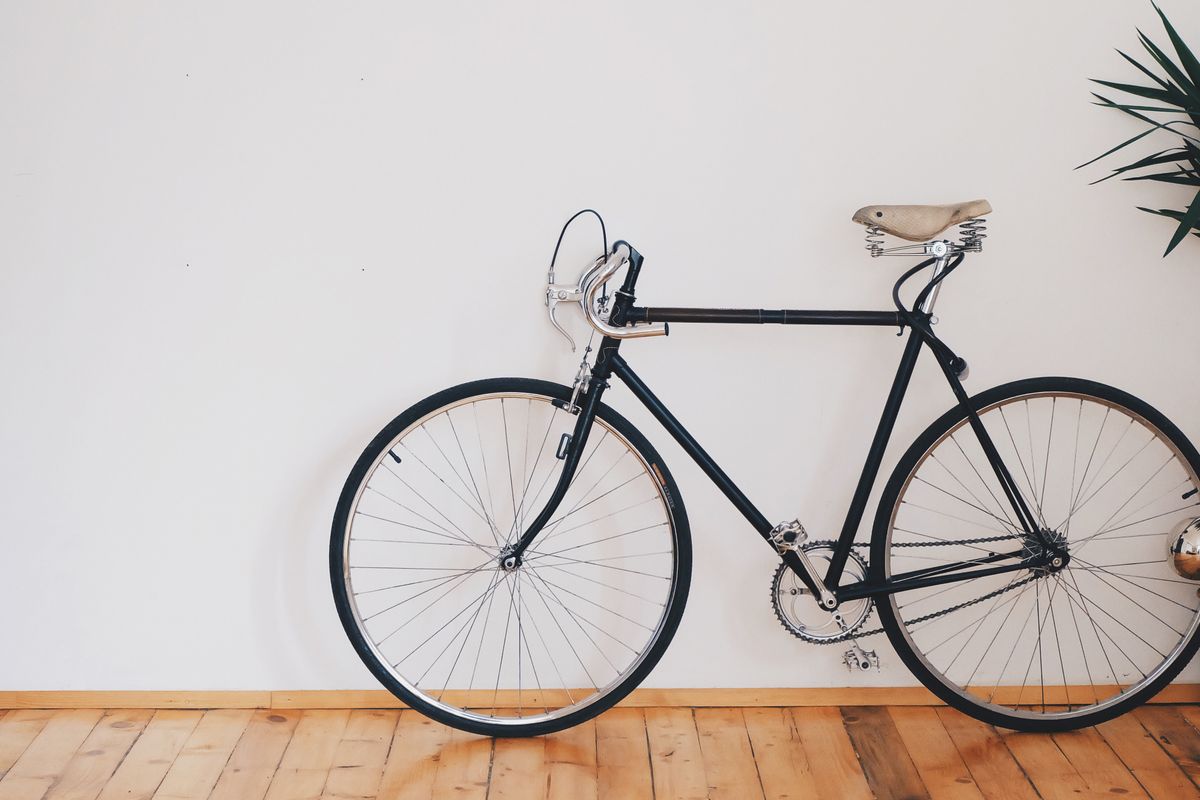
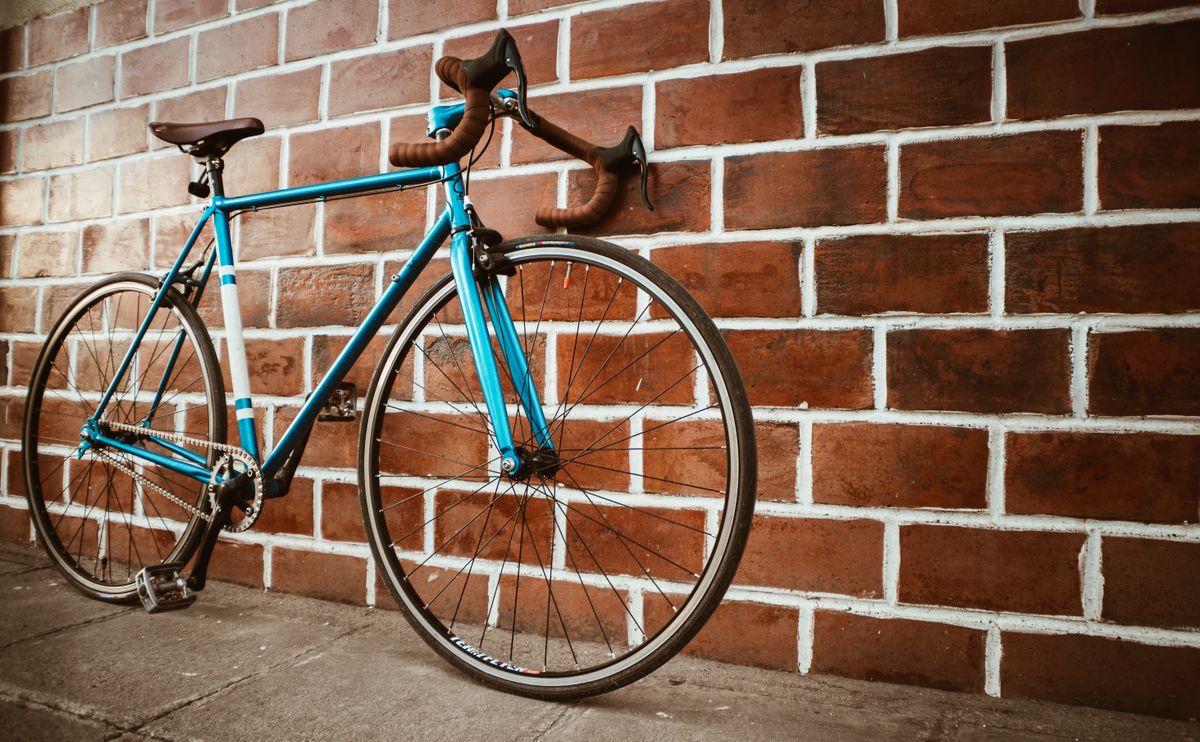
| Road | Speed on pavement | Narrow, slick | Athletic | Less comfort off-road |
| Mountain | Trails & rough ground | Wide, knobby | Control-focused | Slower on asphalt |
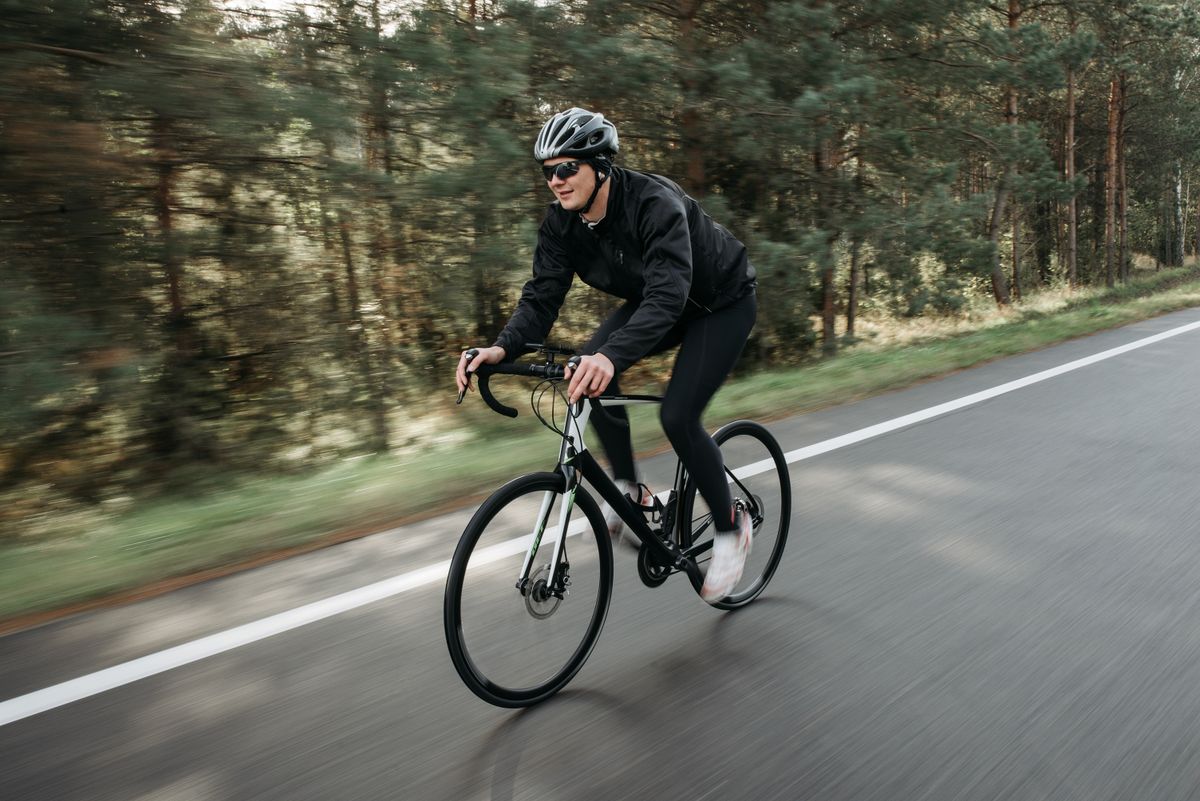
| City / Hybrid | Commuting & errands | Medium, durable | Upright | Not race-oriented |
| Gravel | Mixed surfaces | Wider all-road | Endurance | Not full MTB capability |
| Touring | Loaded long trips | Robust mid-width | Stable | Heavier frames |
| E-bike | Assisted daily riding | Varies | Often upright | Weight & battery care |
Deep dives
Open each category

Geometry in plain words
Why frame shape changes everything
Longer wheelbases feel calmer at speed. Steeper head angles steer quicker. Higher stacks feel more upright in traffic. None of these numbers matter until you connect them to your roads and your body.
A race road bike and a city hybrid can share two wheels and pedals — and still feel like different sports.
One-minute chooser
Four questions before you shop
Surface?
Pavement, trail, or mixed.
Goal?
Speed, comfort, cargo, or adventure.
Hills?
Honest hills often decide e-assist.
Fit?
A fitted mid-range bike beats a trophy that fights you.
Compare calmly. Ride honestly. Buy for the routes you actually have.
Need help narrowing it down?
Call us in Berlin or send a message.