
KleinOnline
Cycling in Germany: culture on two wheels
Infrastructure, clubs, long-distance routes, and everyday commuting — a complete cycling country.
The big picture
Transport and identity on the same map
Germany became a cycling nation through decades of planning, club organization, tourism investment, and sporting ambition. Bikes here are both practical tools and cultural signals.
Everyday life
Riding as ordinary mobility
Lanes
Growing protected networks in cities and mid-size towns.
Bike + rail
Regional trains and station parking extend trip range.
Weather craft
Lights, fenders, and e-assist keep winter riding alive.
Infrastructure
Patterns you will notice
- Separated urban lanes
- Riverside and canal recreation paths
- Clear Radfernwege signage
- Bike parking at stations and workplaces
Clubs
Vereine as the sport backbone
Local clubs organize training rides, youth programs, time trials, and social events. That structure helped cycling grow as disciplined sport while staying open to amateurs.
History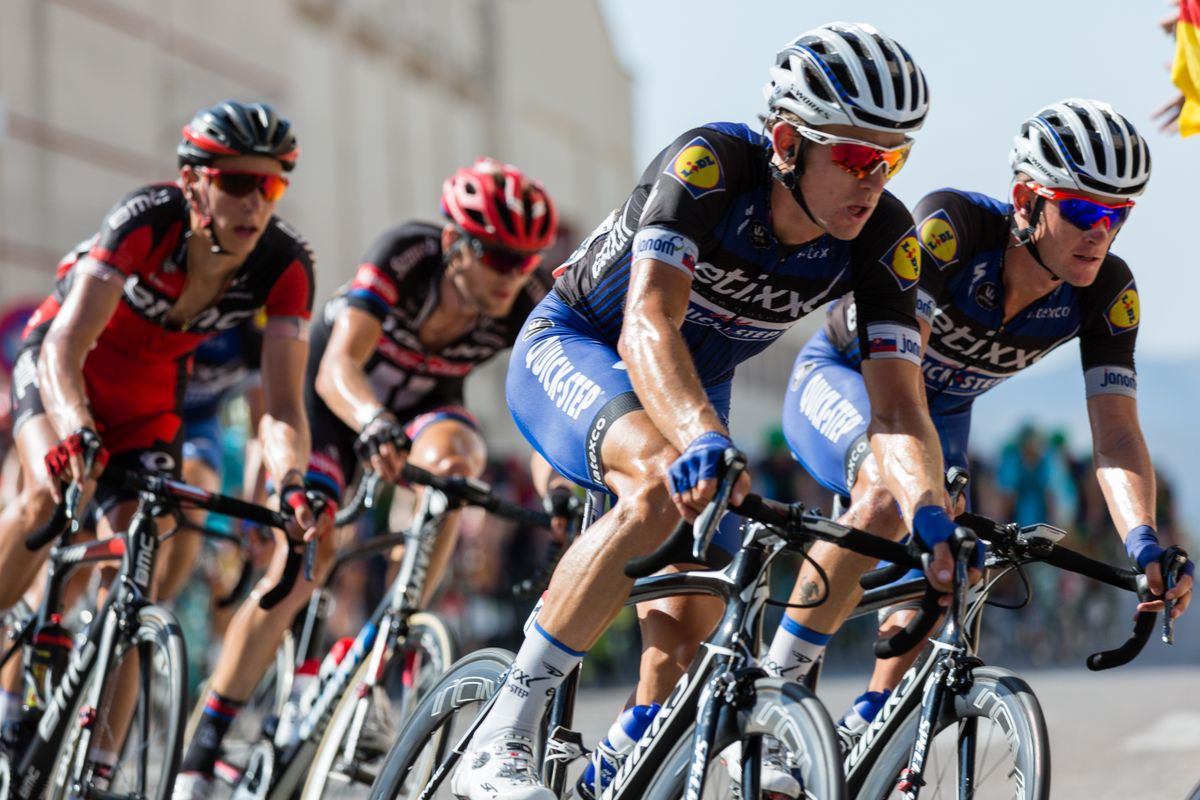
Regional character
North plains to southern climbs
North
Long, windy road and touring days.
Center & south
Uplands and Black Forest climbs reward strong legs.
Rivers
Rhine, Moselle, Danube, Elbe — classic multi-day tourism.
In Germany, the bicycle is not a niche hobby — it is a shared language of movement.
Commute
Short urban trips replaced by bike and e-bike.
Tourism
Signed routes supporting inns and regional economies.
Sport
Clubs and pipelines feeding international competition.