
KleinOnline
How cycling sport grew in Germany
Clubs, industry, racing traditions, and rebuilding eras shaped a culture that still influences European cycling.
Origins
From novelty to organized passion
Cycling arrived in German-speaking lands in the late nineteenth century as liberation and spectacle. Early clubs organized tours, races, and social rides while workshops industrialized the machine.
Timeline
Key phases
Early clubs
Group discipline, mechanical self-reliance, and weekend race culture take root.
Industry & innovation
Better equipment enables harder racing; racing demand pushes better equipment.
Division eras
Different training systems develop; reunification later recombines pathways.
Modern era
Professionals, amateurs, tourism, and e-bike inclusion broaden who rides.
Amateur pyramid
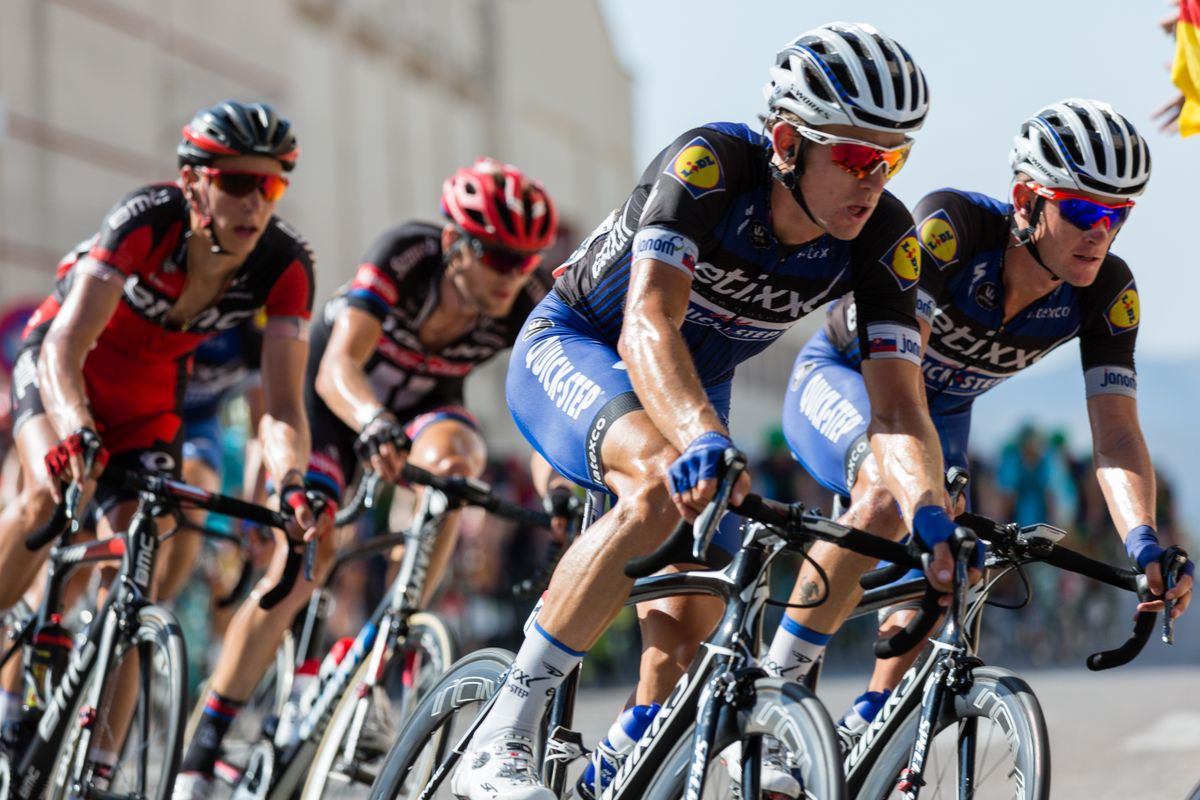
Why breadth matters
Youth programs, regional races, gran fondos, and club championships keep the sport wide. Elite results matter — but the club base is what makes cycling culturally durable.
Participation
Widening the peloton
Women’s racing visibility and recreational access continue to grow. City infrastructure and e-bikes further change who feels welcome on two wheels.
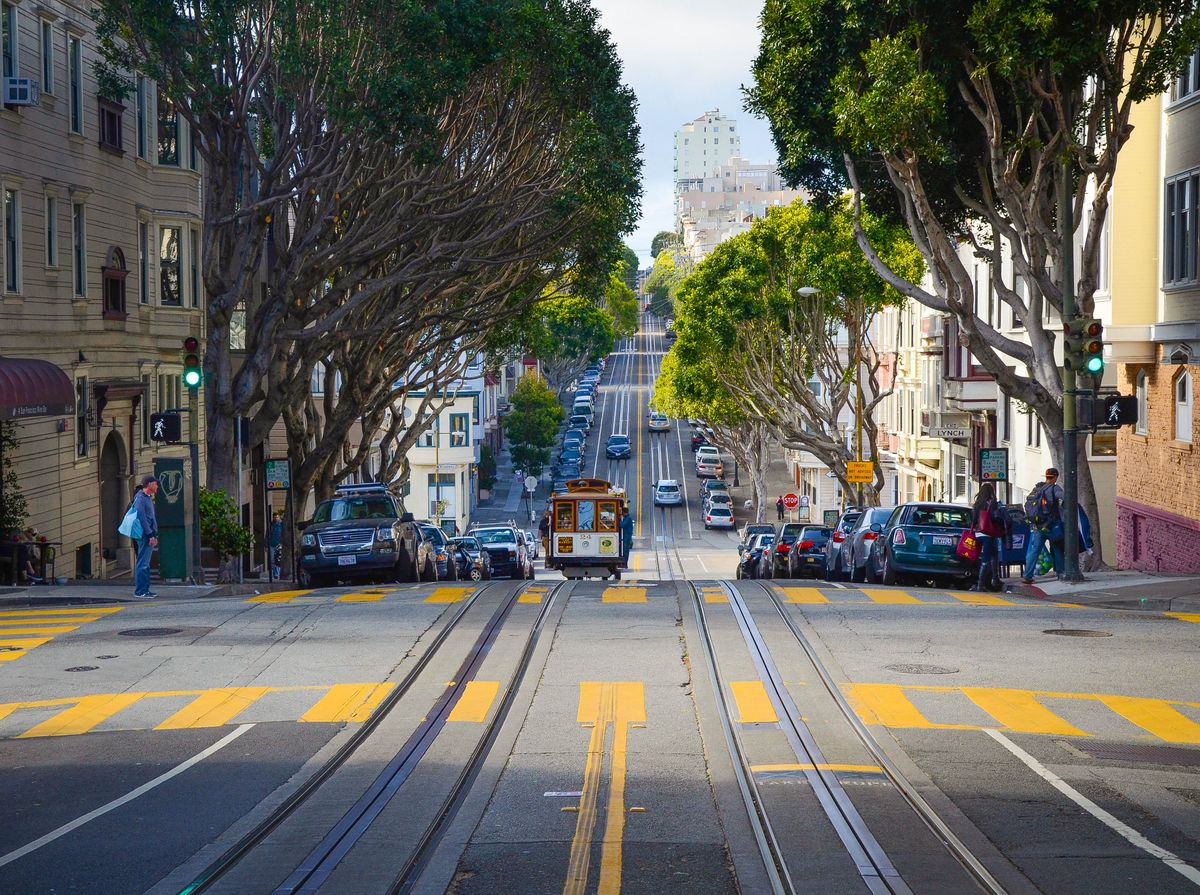
Why history still shapes today’s lanes
Protected paths and signed tourist routes stand on older foundations: clubs that normalized riding, cities that eventually planned for bikes, and a public that learned to treat cycling as serious sport and practical transport at once.